Cricket Control Strategies For Warehouses And Storage Facilities
People seeking cricket control strategies for warehouses and storage facilities aim to prevent infestations; local contractors can provide effective solutions tailored to these environments.
If you manage a warehouse or storage facility, understanding effective cricket control strategies is essential for maintaining a clean and pest-free environment. Crickets can become a nuisance, disrupting operations and potentially damaging stored goods. Property owners in the area often explore these strategies to prevent infestations and ensure their facilities remain secure and efficient. By staying informed, you can better identify the signs of cricket activity and take practical steps to address the issue before it escalates.
Many local service providers specialize in commercial cricket control, offering tailored solutions that fit the unique needs of warehouses and storage spaces. These professionals can help implement targeted control methods, such as sealing entry points and managing conditions that attract crickets, to keep pests at bay. Keep reading to learn more about effective strategies and how local contractors can assist in safeguarding your property against cricket problems.
- Cricket exclusion projects - when warehouses experience recurring cricket infestations, local contractors implement sealing and exclusion techniques to prevent entry.
- Infestation remediation services - if crickets have already established inside storage facilities, local service providers offer targeted treatments to eliminate them.
- Structural inspection and repair - for facilities with cracks or gaps that allow cricket access, local pros assess and reinforce entry points to enhance control efforts.
- Preventive barrier installations - businesses seeking long-term solutions may work with local contractors to install physical barriers that deter cricket intrusion.
- Integrated pest management plans - warehouses looking for comprehensive strategies often partner with local providers to develop customized cricket control approaches.
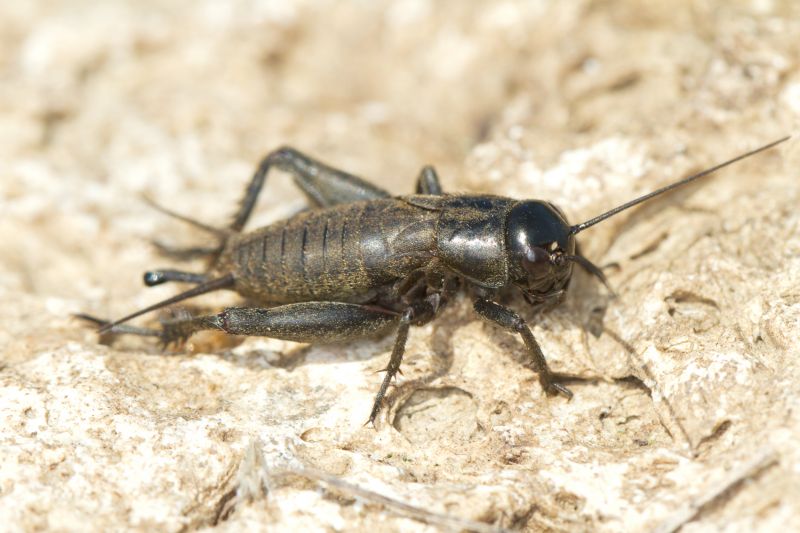
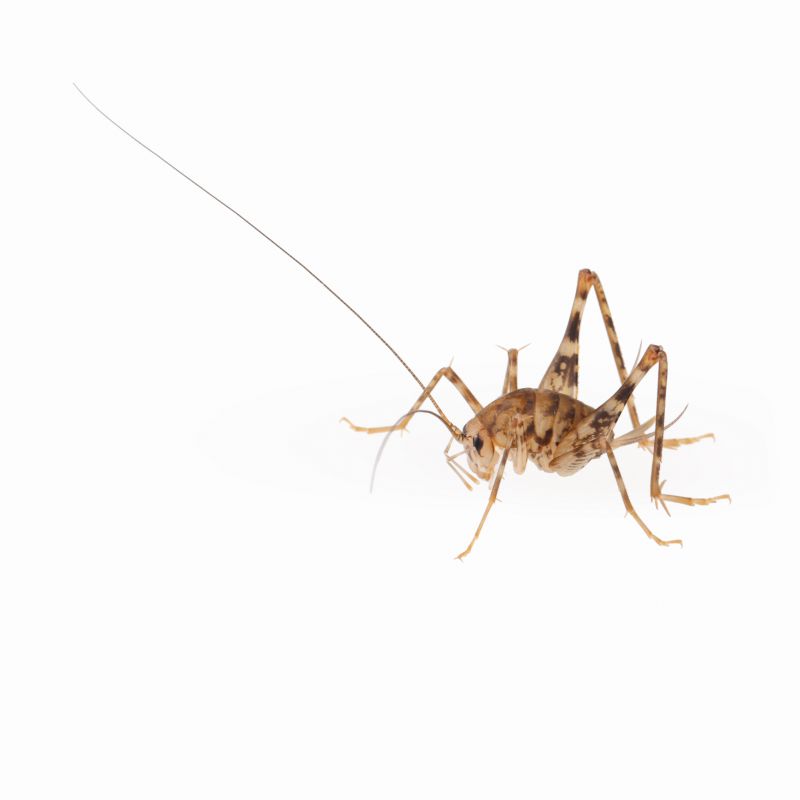
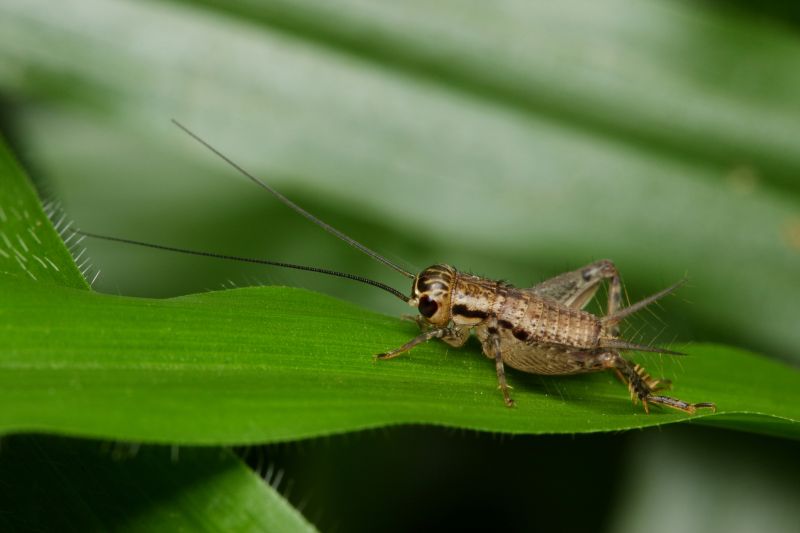
Cricket control strategies for warehouses and storage facilities are often searched for by property owners and managers experiencing issues with cricket infestations. These pests tend to invade large, enclosed spaces where they find shelter, warmth, and access to food sources like stored grains, packaging materials, or organic debris. People looking into this topic are usually concerned about preventing or eliminating cricket populations that can damage stored goods, create noise, or become a nuisance for employees and visitors. Effective strategies typically involve a combination of exclusion techniques, habitat modification, and targeted treatments to reduce cricket activity and prevent future invasions.
The problems associated with crickets in warehouses and storage facilities can vary, but common concerns include structural damage, contamination of stored products, and ongoing pest presence. Crickets often enter through small cracks, gaps around doors and windows, or utility openings, making entry points a primary focus for control efforts. Plans to address these issues often involve sealing entry points, removing clutter or debris that provides hiding spots, and implementing ongoing monitoring to detect early signs of activity. Local contractors specializing in cricket control can assess the property’s vulnerabilities, recommend tailored exclusion methods, and apply appropriate treatments to keep crickets out of the facility.
Properties that come up frequently in discussions about cricket control include large commercial warehouses, distribution centers, storage units, and industrial facilities. These structures are typically characterized by extensive wall and roof penetrations, high ceilings, and areas where stored items or packaging materials are kept, all of which can attract crickets. In addition, facilities with poor sanitation or cluttered storage zones tend to be more susceptible to infestations. Because these properties often involve significant inventory and operational concerns, effective cricket control strategies are designed to be both comprehensive and discreet, minimizing disruption while safeguarding the premises.
For property owners and managers exploring cricket control strategies, understanding how local service providers can assist is key. These professionals bring experience in evaluating the specific vulnerabilities of warehouses and storage facilities, implementing exclusion methods such as sealing cracks and gaps, and applying targeted treatments that are safe for large commercial spaces. They can also advise on habitat modifications, sanitation practices, and ongoing monitoring to maintain a cricket-free environment. Connecting with local contractors who specialize in pest exclusion and control ensures that the strategies employed are practical, effective, and tailored to the unique needs of each property, helping to protect inventory and maintain operational efficiency.
Pest Inspection Services - Professionals who conduct thorough inspections for pest entry points and nesting areas can help identify vulnerabilities related to cricket infestations in warehouses and storage facilities.
Rodent Control Solutions - Since rodents and crickets often coexist, local contractors specializing in rodent control can implement integrated strategies that also address cricket prevention.
Building Sealant and Repair Services - Experts in sealing cracks, gaps, and entry points assist in reducing cricket access, supporting effective control strategies for warehouses and storage facilities.
Storage Facility Sanitation Services - Proper sanitation and clutter removal by cleaning specialists help eliminate cricket hiding spots, complementing control efforts.
Structural Pest Barrier Installation - Installing physical barriers and exclusion devices by local contractors enhances cricket control measures in commercial storage environments.
Environmental Modification Consulting - Professionals who advise on lighting, humidity, and temperature adjustments can aid in creating less favorable conditions for crickets in warehouse settings.

When evaluating service providers for cricket control strategies in warehouses and storage facilities, it’s important to consider their experience with similar projects. A contractor’s background in handling cricket control within commercial environments can provide insight into their familiarity with the unique challenges these settings present. Homeowners should inquire about previous work with warehouses or storage facilities to ensure the pros understand the specific conditions and pest management techniques suitable for large, enclosed spaces. An experienced contractor is more likely to recommend effective strategies that address the particular needs of a commercial environment, helping to ensure the job is done efficiently and thoroughly.
Clear, written expectations are essential when comparing local contractors for cricket control services. Homeowners should seek detailed proposals that outline the scope of work, methods to be used, and any follow-up procedures. Having this information in writing helps prevent misunderstandings and provides a reference point throughout the project. Service providers who communicate their approach clearly and offer comprehensive plans demonstrate professionalism and a commitment to transparency. This clarity can be especially valuable when managing pest control in larger facilities, where the complexity of the work requires precise coordination and understanding.
Reputable references and good communication are key factors in selecting a reliable contractor. Pros with a solid track record in commercial cricket control can provide references from previous clients, offering insights into their reliability and effectiveness. Additionally, responsive and clear communication during the initial consultation can indicate how well the contractor will coordinate and keep homeowners informed throughout the project. Choosing a service provider who values transparency and maintains open lines of communication can help ensure the cricket control strategies for warehouses and storage facilities are implemented smoothly and successfully.
Property owners often search for cricket control strategies for warehouses and storage facilities when they are planning practical projects around their homes and businesses. Local pros provide Commercial Cricket Control services for everyday jobs and straightforward project options.

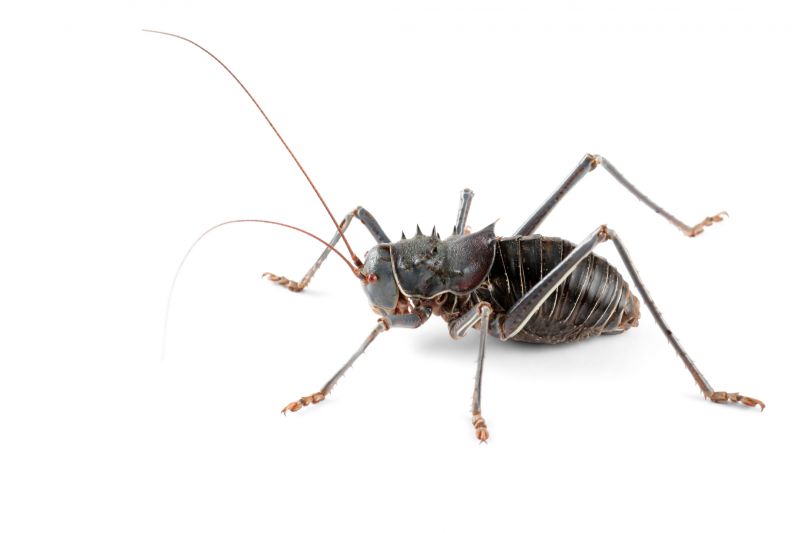
In many warehouse and storage facility operations, managing pests like crickets can become an ongoing challenge. Crickets can damage stored goods, create noise issues, and attract other pests, making effective cricket control strategies essential for maintaining a clean and pest-free environment. Property owners in the area often look into straightforward, reliable solutions that address these concerns without disrupting daily operations. Local contractors specializing in commercial cricket control offer practical approaches tailored to the unique needs of warehouses, such as sealing entry points, removing debris, and implementing targeted treatments to keep crickets out.
Choosing experienced service providers can make a significant difference in controlling cricket populations and preventing future infestations. These local contractors understand the common problem areas and can recommend effective strategies to minimize cricket activity within storage spaces. Property owners seeking a hassle-free way to protect their inventory and maintain a safe environment often consider connecting with local pros who focus on commercial cricket control. Their expertise helps ensure that pest management efforts are thorough and suited to the specific layout and use of the facility.
What are effective cricket control strategies for warehouses and storage facilities? Local contractors often recommend a combination of sealing entry points, maintaining cleanliness, and using targeted treatments to prevent cricket infestations in warehouses and storage areas.
How can I prevent crickets from entering my warehouse? Professional service providers suggest inspecting and sealing cracks, gaps, and vents, along with implementing sanitation practices to reduce attractants and entry points for crickets.
Are there specific treatments that work best for controlling crickets in storage facilities? Yes, local pest control experts typically use residual insecticides and baiting systems designed specifically for indoor environments to effectively control cricket populations.
What are common mistakes to avoid when managing cricket problems in warehouses? Avoid neglecting entry points, ignoring sanitation, or using improper treatments, as these can undermine control efforts. Consulting with local pros ensures proper strategies are employed.
How often should cricket control services be scheduled for warehouses and storage facilities? Regular inspections and treatments are recommended, with frequency determined by the severity of the infestation and the advice of local service providers.
Identify entry points - sealing cracks and gaps can prevent crickets from entering storage areas, making it easier for service providers to implement effective control measures.
Maintain cleanliness - keeping storage facilities free of debris and food sources reduces attractants, supporting cricket control strategies for warehouses and storage facilities.
Implement physical barriers - installing screens or mesh over vents and drains can block crickets from gaining access to the interior spaces.
Schedule regular inspections - routine checks by local contractors help detect early signs of infestation and ensure control strategies remain effective.
If you are thinking about cricket control strategies for warehouses and storage facilities for a property, this guide is meant to help you understand this topic, the typical project types, and how different options might fit your plans.
When you are ready, you can use the quote form on this page to share a few details about your project. From there, local pros can review the basics and follow up with options that match what you have in mind.