Get Carpenter Ant Extermination
Local contractors offer carpenter ant extermination services to eliminate infestations and protect homes during removal, prevention, and treatment projects.
Carpenter ant activity can pose significant concerns for property owners, especially those planning renovations, repairs, or preventative maintenance. These pests can cause structural damage if left unchecked, making timely intervention an important consideration for maintaining the integrity of a building. Property owners in the area might explore extermination services to address current infestations or to prevent future issues, ensuring their property remains safe and stable.
For those considering options for carpenter ant extermination, it’s helpful to compare the services offered by various local contractors. Many experienced service providers can assess the situation, recommend effective treatment strategies, and help develop a plan tailored to the specific needs of a property. Continuing to explore local options can support informed decisions and connect property owners with the right professionals to handle their pest management needs.
- Carpenter Ant Extermination - needed when homeowners notice wood damage or unexplained ant activity inside their property.
- Infestation Removal - required if carpenter ants have established nests within walls, beams, or other structural wood.
- Preventative Treatments - recommended to stop future carpenter ant problems before they become severe.
- Structural Inspection - necessary if there are concerns about potential damage caused by carpenter ants in the building’s framework.
- Early Detection Services - useful for identifying carpenter ant presence before significant damage occurs.
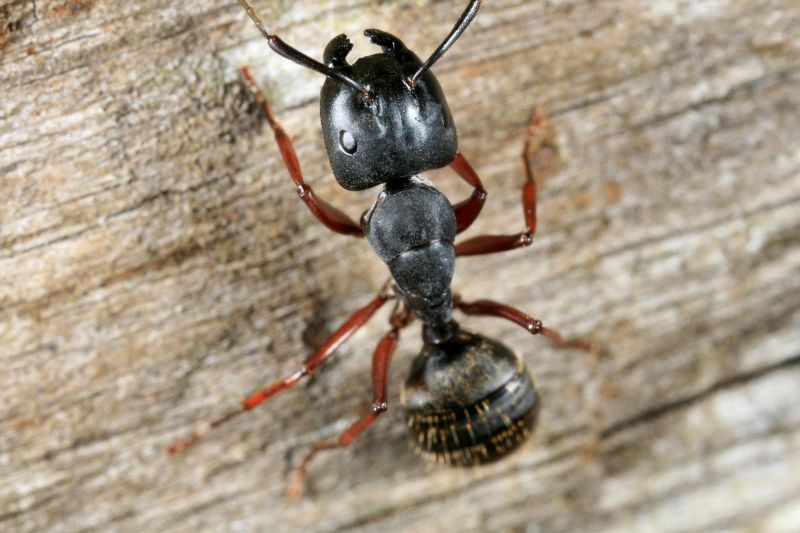

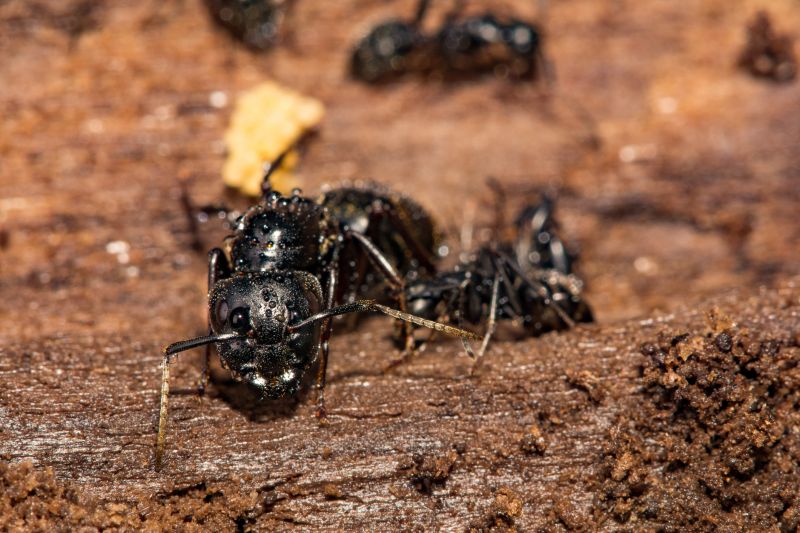
Carpenter ant extermination services involve identifying and eliminating infestations of these wood-damaging insects. Skilled service providers typically conduct thorough inspections to locate the nests and pathways of carpenter ants within a property. Once the source of the problem is determined, they employ targeted treatments such as baiting, dusts, or liquid insecticides to eliminate the colonies effectively. The goal is to remove the ants and prevent future invasions, safeguarding the structural integrity of the building.
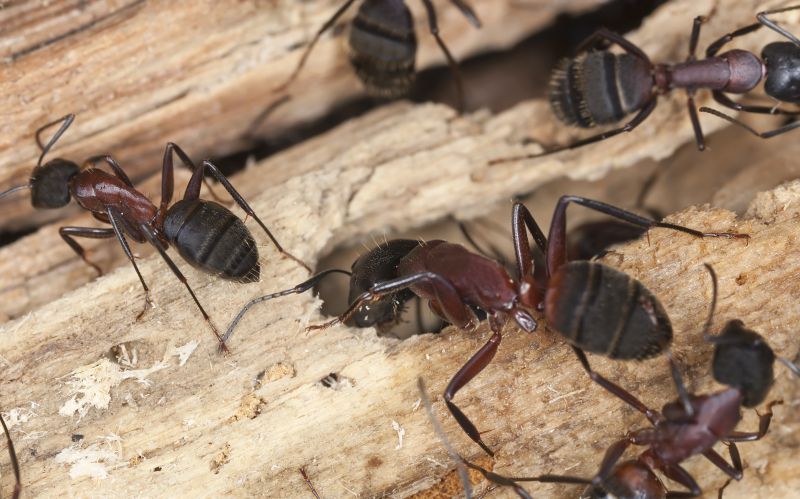
These services are essential for addressing problems caused by carpenter ants, which often include wood damage, hollowed-out wood structures, and the presence of ant trails around a property. Carpenter ants do not eat wood but excavate it to create nesting sites, which can weaken walls, support beams, and other wooden components over time. Homeowners may notice sawdust-like debris near wooden structures or hear rustling sounds within walls, signaling an active infestation. Prompt treatment by experienced contractors can help prevent extensive damage and costly repairs.
Typically, properties that benefit from carpenter ant extermination include residential homes, especially those with wooden framing or siding, as well as historic houses with older woodwork. Commercial buildings, warehouses, and outbuildings like barns or sheds are also common sites for these pests. Any property with visible signs of wood damage or ant activity should be evaluated by local service providers to determine if an infestation is present. Early intervention can be crucial in avoiding significant structural issues caused by unchecked ant colonies.
Homeowners who notice unusual wood damage, ant trails, or the presence of winged ants during certain seasons should consider scheduling an inspection. Carpenter ant extermination services can help identify hidden nests that may not be immediately visible. Engaging with local contractors ensures that the problem is addressed promptly and effectively, reducing the risk of further damage. When in doubt, consulting with experienced pest control professionals can provide clarity and peace of mind about the health and safety of a property’s wooden structures.
The overview below groups typical Carpenter Ant Extermination projects into broad ranges so you can see how smaller, mid-sized, and larger jobs often compare in your area.
In many markets, a large share of routine jobs stays in the lower and middle ranges, while only a smaller percentage of projects moves into the highest bands when the work is more complex or site conditions are harder than average.
Small infestations - Treating minor carpenter ant problems typically costs between $250 and $600. Many routine inspections and targeted treatments fall within this range, though prices can vary based on location and extent of the nest.
Moderate infestations - Larger or more widespread ant colonies usually require more extensive treatments, with costs ranging from $600 to $1,200. Many projects in this band involve multiple treatments or repairs to affected wood structures.
Large or complex jobs - Extensive infestations or nests inside structural wood can push costs above $1,200, sometimes reaching $2,500 or more. Fewer projects fall into this high tier, but they often involve significant structural repairs or multiple visits.
Full property treatment - Complete extermination of carpenter ants across an entire property can range from $2,000 to $5,000+, especially for large or heavily infested homes. These comprehensive projects are less common but necessary in severe cases.
Actual totals will depend on details like access to the work area, the scope of the project, and the materials selected, so use these as general starting points rather than exact figures.
Wood Damage Repair - Contractors experienced in repairing wood structures can address damage caused by carpenter ants and prevent future infestations.
Termite Extermination - Many service providers who handle termite control also have expertise in managing carpenter ant problems due to similarities in treatment methods.
Pest Inspection Services - Pest control specialists conduct thorough inspections to identify signs of carpenter ants and other wood-boring insects.
Moisture Control Solutions - Addressing moisture issues that attract carpenter ants is a common service offered by contractors specializing in building maintenance.
Structural Damage Assessment - Professionals assess structural integrity after pest infestations, ensuring safe and sound repairs.
Exterior Damage Restoration - Restoring and sealing exterior wood surfaces helps prevent carpenter ants from entering and infesting a property.
When comparing local contractors for Carpenter Ant Extermination services, it is important to consider their experience with similar projects. Homeowners should inquire about how long a service provider has been handling ant extermination, especially in residential settings. An established track record with comparable infestations can indicate familiarity with effective treatment methods and the ability to address specific challenges that may arise in a home environment. Ensuring that a local contractor has relevant experience helps build confidence that they understand the nuances of pest control for carpenter ants.
Clear, written expectations are essential to ensure that both parties have a mutual understanding of the scope of work. Homeowners should seek detailed descriptions of the services provided, including the methods used, the areas to be treated, and any preparations needed before treatment. Having this information in writing helps prevent misunderstandings and sets realistic expectations about what the extermination process entails. Reputable service providers are typically transparent about their approach and willing to provide comprehensive explanations to help homeowners make informed decisions.
Reputable references and good communication are key factors when evaluating local service providers. Homeowners are encouraged to ask for references from previous clients who had similar pest issues, as this can provide insight into the contractor’s reliability and quality of work. Additionally, effective communication-such as responsiveness to questions and clarity in explanations-can greatly influence the overall experience. While this site introduces homeowners to local options, it does not perform the work itself; rather, it helps connect individuals with qualified contractors who can handle the job professionally and effectively.
Property owners use Carpenter Ant Extermination services for practical projects around their homes and businesses. This guide focuses on everyday jobs and straightforward project options.
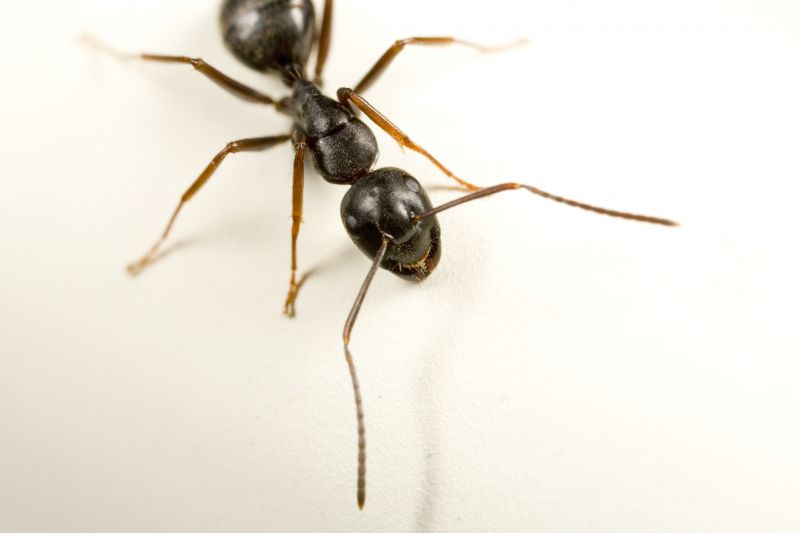
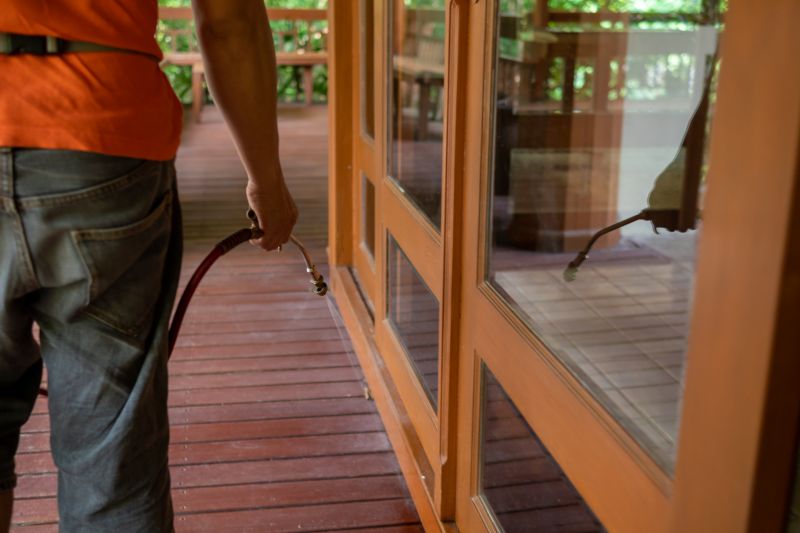
Carpenter ant infestations are a common concern for property owners dealing with wood damage or unusual insect activity inside their homes or businesses. These pests often invade structures when they find accessible wood sources, especially in areas with moisture or decayed wood. Property owners might seek extermination services to prevent further structural damage, eliminate the nuisance of ants, or protect valuable building materials from deterioration.
Local contractors specializing in carpenter ant removal are equipped to identify the extent of an infestation and implement effective treatment strategies. Whether dealing with a small problem in a residential attic or a larger issue in a commercial building, property owners can contact experienced service providers who can assess the situation and recommend appropriate solutions. Connecting with local experts ensures that the job is handled efficiently and with the right approach for each specific situation.
What are signs of carpenter ant infestations? Common signs include wood that sounds hollow, visible ant trails, and small piles of wood shavings or sawdust near wooden structures.
How do local contractors typically handle carpenter ant extermination? They usually conduct thorough inspections, identify nesting sites, and apply targeted treatments to eliminate the colony and prevent future issues.
Are chemical treatments safe for homes with children or pets? Many service providers use treatments that are safe when applied properly; it's best to discuss safety concerns with the local contractor during the consultation.
What steps can homeowners take to prevent carpenter ant problems? Keeping wood and mulch away from the foundation, fixing moisture issues, and sealing entry points can help reduce the risk of infestations.
How do local service providers differ in their approach to carpenter ant extermination? Approaches vary based on the extent of the infestation and the property, but most focus on thorough inspection and targeted treatment methods.
Ant infestation prevention tips - Property owners can learn how to reduce attractants and identify early signs of carpenter ant activity to protect their homes.
Inspection and monitoring services - Local contractors can regularly check for signs of ant presence in key areas like basements and crawl spaces.
DIY maintenance ideas - Homeowners can implement simple steps, such as sealing entry points and removing wood debris, to discourage ant entry.
Professional extermination options - Property owners can explore different extermination methods available from service providers to address existing ant problems.
If you are thinking about Carpenter Ant Extermination for a property, this guide is meant to help you understand the work, the typical project types, and how different options might fit your plans.
When you are ready, you can use the quote form on this page to share a few details about your project. From there, local pros can review the basics and respond with options that match what you have in mind.